Posted on 4/30/2026
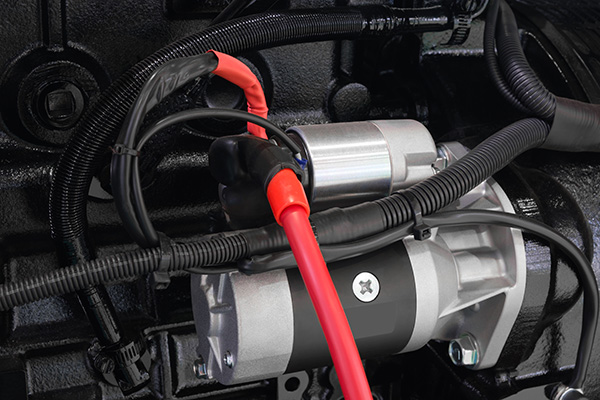
Starter problems rarely show up all at once. Most of the time, the first signs are easy to brush off. Maybe the engine takes a second longer to turn over, or you hear a click before it starts. Since the car still runs, it is tempting to wait and see if it gets worse. That delay is where trouble builds. The starter is what brings the engine to life, and once it starts failing, you are on borrowed time before it leaves you stuck. What The Starter Motor Actually Does The starter motor turns the engine over when you turn the key or press the start button. It engages with the engine’s flywheel and spins it fast enough for combustion to begin. Once the engine starts, the starter disengages. It only works for a short moment, but that moment is critical every time you drive. Clicking Sound When Trying To Start A clicking noise is one of the most common early signs of starter trouble. You turn the key, hear a click, and then the engine either starts ... read more
Posted on 3/27/2026
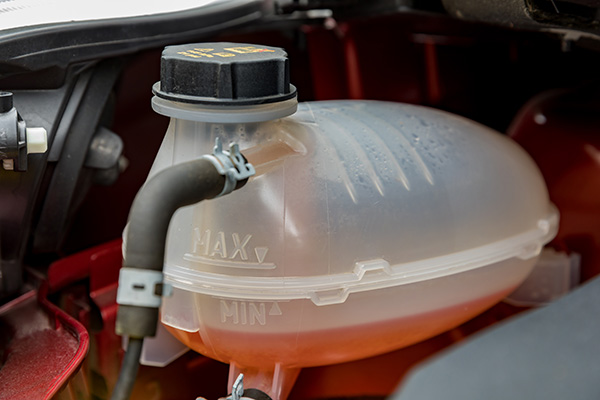
Low coolant is one of those problems drivers try to measure in their heads. The car is still running, the warning light may not stay on, and the engine has not fully overheated yet, so it is easy to wonder whether it is safe enough to keep going. That is usually where the risk gets underestimated. Yes, driving with low coolant is dangerous because the engine can move from usable to overheated much faster than most people expect. Why Low Coolant Changes The Risk So Quickly Coolant does far more than just sit in the radiator. It carries heat away from the engine, helps regulate temperature under load, and prevents hot spots from forming in the cylinder head and engine block. Once the level drops, the cooling system loses reserve capacity right away. That is why a car with low coolant can seem fine one minute and start running hot the next. The system has less room to handle traffic, long idling, steep grades, warm weather, or heavier driving. A problem that feels sma ... read more
Posted on 2/27/2026
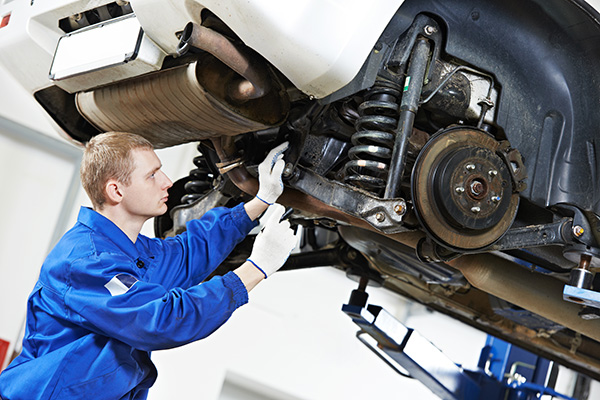
Your suspension takes a beating every time you hit potholes, speed bumps, and rough patches of road. Over time, parts like shocks, struts, bushings, ball joints, and sway bar links wear down, and the car starts to feel different in ways most drivers notice. A simple inspection can usually tell whether you are dealing with normal aging or a part that is ready to be replaced. Catching the signs early also helps protect your tires and keeps the car predictable when you need to brake or steer quickly. 1. Excessive Bouncing After Dips And Speed Bumps A healthy suspension settles quickly after a bump. If the vehicle keeps bouncing two or three times after a dip, the shocks or struts are often worn and no longer control the spring movement. You may also notice the front end bobbing more than it used to on uneven streets. This can reduce traction because the tires are spending less time firmly planted on the pavement. Sometimes the bouncing is most obvious on the highway, w ... read more